Vital Wheat Gluten vs. Dough Conditioner: What's the Difference?


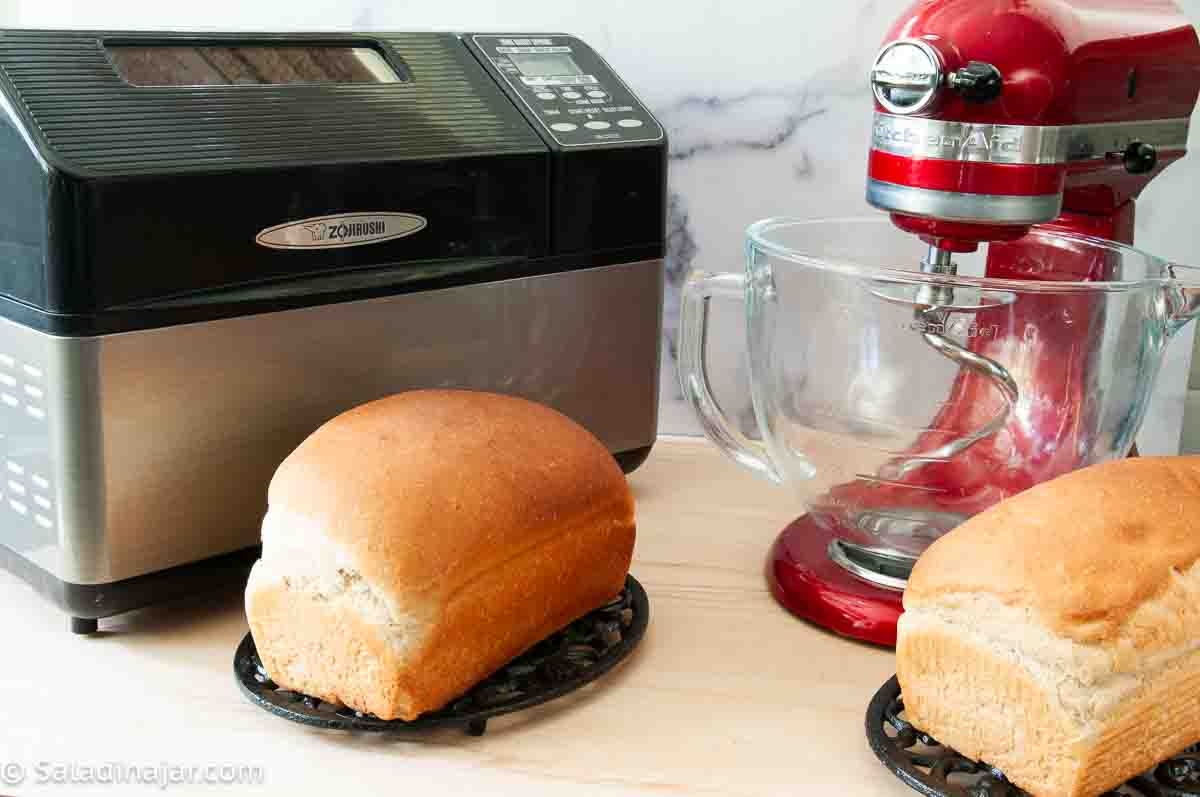
Should you add Vital Wheat Gluten or dough conditioners to your bread recipes?

Let’s break it down! Vital Wheat Gluten and dough conditioners both improve dough performance, but they do it differently. Is it worth the money? You decide.

Vital Wheat Gluten

🔹 What it does: Strengthens gluten, helping low-gluten and whole grain doughs rise better.
🔹 What it’s made of: Nearly pure wheat protein.
🔹 How to use it: Add 1–2 tablespoons per loaf to boost elasticity and structure.

Dough Conditioner

🔹 What it does: Enhances texture, softness, rise, and shelf life.
🔹 What it’s made of: A mix of ingredients like enzymes, emulsifiers, and sometimes a little vital wheat gluten.
🔹 How to use it: Common in commercial and home baking for consistent results.

Key Differences

Vital Wheat Gluten = Focuses on gluten structure.
Dough Conditioner = A mix of ingredients that fine-tune dough performance.

In short, Vital Wheat Gluten strengthens gluten, while dough conditioners do a bit of everything!

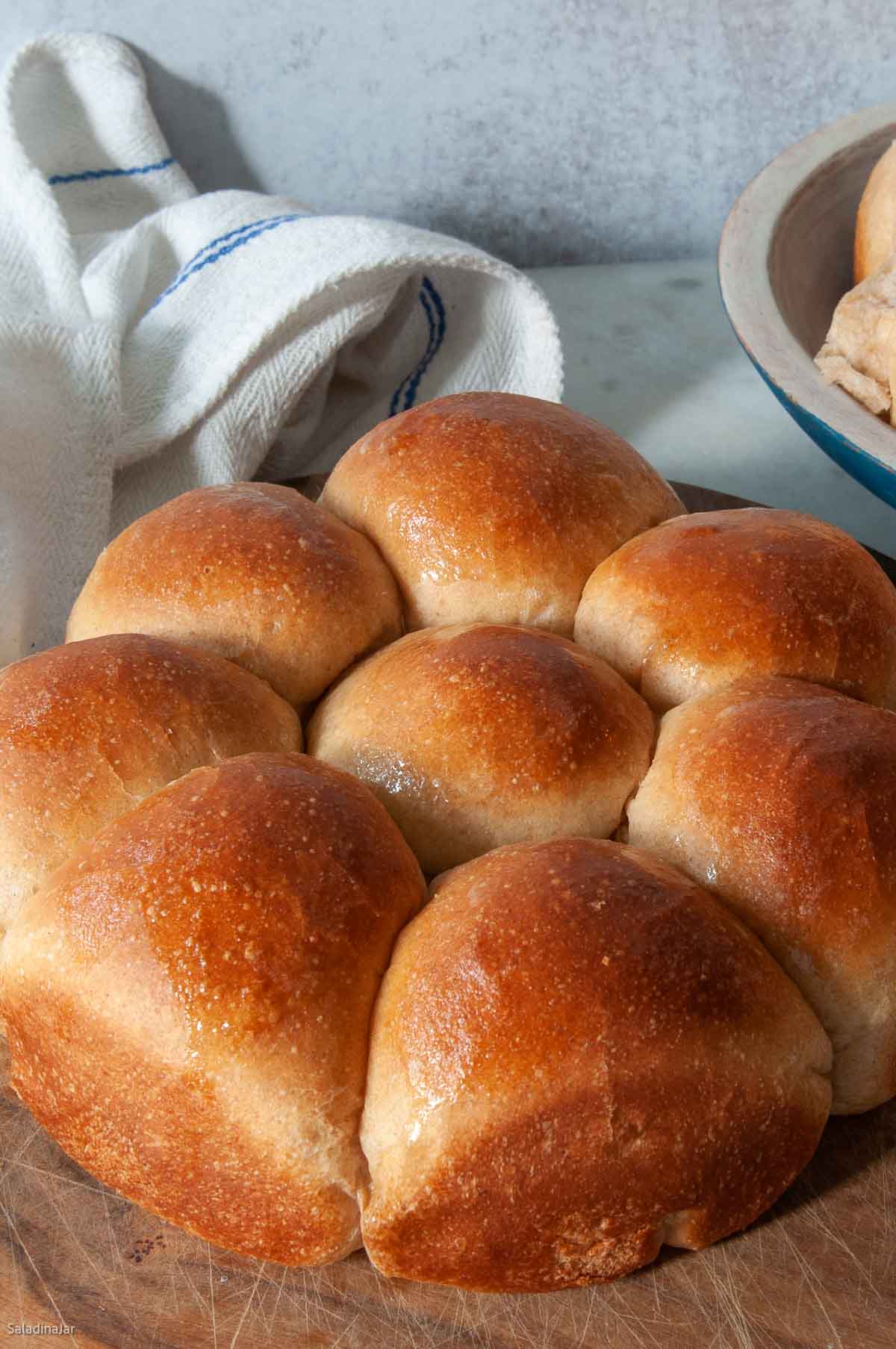
Golden Whole Wheat Rolls – Soft but Sturdy (Bread Machine)

These soft and sturdy whole wheat rolls are perfect for sliders, sandwiches, or dinner rolls. This is your opportunity to try Vital Wheat Gluten.

Happy Bakers

Speak Up

I made these last week. So good, and the recipe ingredient amounts are perfect. Thanks again for a wonderful recipe. My grandson loves them!
5 ⭐️--LOIS

Do you use Vital Wheat Gluten or Dough Conditioners? If so, hit "Reply" and let me know why and when you find them useful.

Blessings,

Paula

You are receiving this email because you signed up for emails on the Salad in a Jar website.
Unsubscribe | Update Your Interests | 4621 S. Cooper Ste 119, Arlington, TX 76017

Salad in a Jar

Check out my previous newsletters below. If you haven't already, sign up for my newsletter!
Read more from Salad in a Jar
a slice of angel food cake with chocolate ganache  with the whole cake in the background

Here's what we're having for Mother's Day My husband has a tradition of ordering dinner in for our family Mother's Day celebration after church. It's a nice break for all the mothers that doesn't require us to stand over a stove or in line at a restaurant. The party is at our house. Besides setting the table, my only job (self-appointed) is to make the desserts. Keep reading to see what's on the menu. Angel Food Cake with Chocolate Ganache (and Chocolate Swirl) This angel food cake with...

prominent slice of braided cinnamon bread in front of uncut bread

Part 2 of the series: Why People Add Too Much Flour to Bread Dough Today's topic is: The Dough Should Stick (a Little) The dough looks sticky… so you add flour. Then more flour. Before you know it, you've got something that looks like playdough or a rubber ball. Last time we talked about why judging dough too early leads to adding too much flour. Today let’s talk about what properly hydrated dough actually looks like. If you've ever made one of my bread recipes, you've probably read this:...

a clone recipe of King's Hawaiian Bread Rolls with sandwich makings on the side

Part 1 of the series: Why People Add Too Much Flour to Bread Dough Most of the time, people don’t add flour because the dough needs it—they add it because the dough looks wrong to them. Each week, I’ll share one common reason this happens. Today’s topic is #1: Judging the Dough Too Early. If you open your bread machine in the first 10–12 minutes of the kneading cycle, the dough will usually look rough and sticky. That’s normal. The gluten hasn’t developed yet. In other words, it’s not...