Why Your Dough Looks Too Sticky at First


Part 1 of the series: Why People Add Too Much Flour to Bread Dough

Most of the time, people don’t add flour because the dough needs it—they add it because the dough looks wrong to them.

Each week, I’ll share one common reason this happens. Today’s topic is #1: Judging the Dough Too Early.

If you open your bread machine in the first 10–12 minutes of the kneading cycle, the dough will usually look rough and sticky. That’s normal. The gluten hasn’t developed yet.

In other words, it’s not finished becoming dough yet.

This sounds simple, but bread machine DOUGH cycles aren’t all the same. Some manufacturers include short rest periods that quietly jump-start gluten development—even when it seems like nothing is happening. Other machines begin kneading immediately and keep going without a pause.

If you’re not sure how your machine works, check your manual.

And yes—I know some manuals aren’t very helpful, or you may not have one at all.

In that case, try this: set a timer and watch one full DOUGH cycle from start to finish. Make a few notes about what happens and how long each stage lasts. You’ll quickly learn what “normal” looks like for your machine—and that makes it much easier to judge your dough correctly.

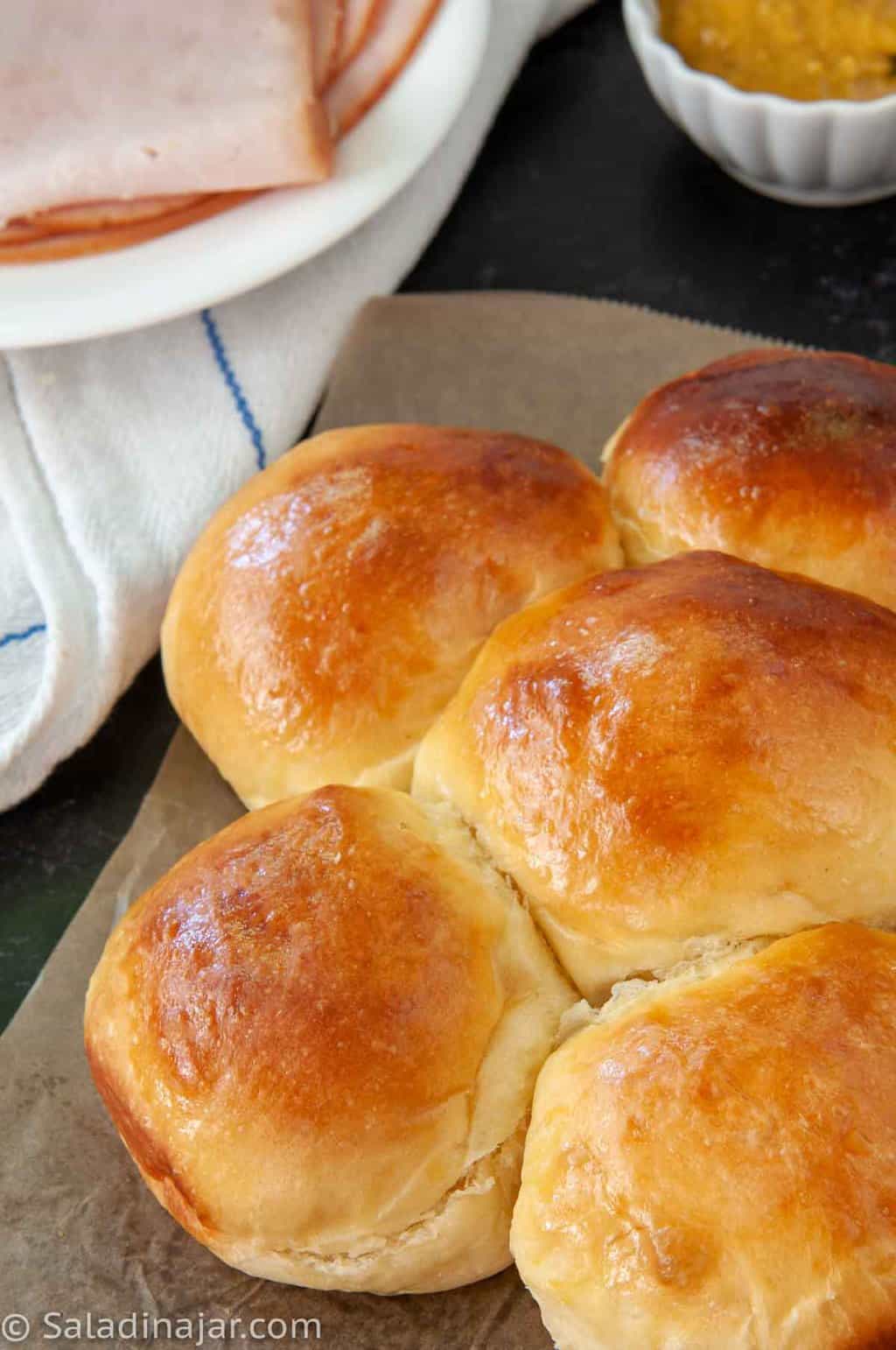
If you’d like a recipe to practice with, these Bread Machine Hawaiian Rolls are a great place to start. The dough begins sticky, but don’t fix it yet. After 15–20 minutes of kneading, it should smooth out beautifully (unless something else is going on—which we’ll talk about in future posts).

Bread Machine Hawaiian Rolls (Soft, Sweet, Like King’s)

These soft, sweet bread machine Hawaiian rolls use pineapple juice, honey, and a touch of ginger for the classic flavor of store-bought favorites.

See you next time--we'll talk about what properly developed dough looks like.

Paula

Paula Rhodes | Home Economist

Food Worth Sharing

You are receiving this email because you signed up for emails on the Salad in a Jar website.
Unsubscribe | Update Your Interests | 4621 S. Cooper Ste 119, Arlington, TX 76017

Salad in a Jar

Check out my previous newsletters below. If you haven't already, sign up for my newsletter!
Read more from Salad in a Jar
bread machine orange rolls with icing ready to serve

Easter always sneaks up on me. I know many of you are gardeners and are already planting—or at least planning what to plant next. Here in North Texas, we’ve had a warmer-than-usual spring, so I want to be outside instead of in my kitchen. Even pulling weeds with the weed popper my husband bought on a whim feels rewarding when you’re not sweating. But Easter is only one week away. Time to plan a menu. I pulled together a few favorites from my kitchen that work especially well this time of...

picture of author

Do you like avocados? I eat half an avocado every single day for lunch at home using my recipe for Bread Machine Classic Sourdough Bread or this Sourdough Bread Machine Sandwich Loaf as a base. The challenge is saving the other half for the next day. Cut avocados can turn brown in what feels like a terrifying minute! I've tried: Plastic wrap pressed against the flesh (didn’t work well) A small avocado-shaped plastic container 👎🏻 Storing the half avocado in water in a Mason jar (works OK, but...

Sliced dried fruit bread on a cutting board-- one piece slathered with blackberry jelly.

Hi Friends, If you’re shopping for a bread machine—or wondering why your pan looks worn—here’s a quick behind-the-scenes look at something most manufacturers never talk about: the nonstick coating. ⭐ Almost All Bread Machine Pans Are Coated Whether it’s called PTFE, Teflon, or “nonstick,” nearly every bread machine pan uses a slick coating so the paddles can knead without the dough grabbing onto the sides. Uncoated pans simply don’t release well enough for bread dough. ⭐ Is It Safe? Bread...