Check out my previous newsletters below. If you haven't already, sign up for my newsletter!
Baked Spaghetti Casserole, Soft Bread Machine Breadsticks, and an Announcement
Are you trying to put together a menu for Mother's Day, a graduation party, or Memorial Day? Here are a couple of ideas.
- Try this recipe for Baked Spaghetti with Cream Cheese with French Fried Onion Rings on top (the secret ingredient that makes this spaghetti memorable). You can make it ahead and serve it to a crowd. Here's what one reader recently wrote about it:
- Whip up these Soft Bread Machine Breadsticks using the DOUGH cycle on your bread machine. I recently revised and updated this recipe and gained a couple of pounds in the process--Oof! So hard to resist.
Announcing a new feature on saladinajar.com
- Did you forget the name of a recipe you read about in one of my emails but can't find the email?
- Do you remember reading a bread machine or yogurt tip and want to reread it?
- Are you new to my website and want to catch up on old newsletters?
Now you can access my previous email newsletters on my website whenever you want. Here's where to find them:
Go to any page on saladinajar.com.
1. Look at the categories across the top of the page. Hover the cursor over the "About" page and you will see a drop-down labeled "Newsletters." Click on it and browse for what interests you.
2. Go to the very bottom of any page, and you will see the word "Newsletters." Click to look around.
Besides newsletters, you can see pictures and links for products I've recommended in the last few months. You will also see a link to my Amazon store. When you buy something from Amazon and start your search in my "store," I may receive a small commission at no extra charge to you.
If you prefer, click this link to go there right now.
Note: I'm going to take a break for the last half of this month to rest and catch my breath. I may not answer emails as fast as usual, but I will get to them eventually.
Blessings,
Paula
Salad in a Jar
Check out my previous newsletters below. If you haven't already, sign up for my newsletter!
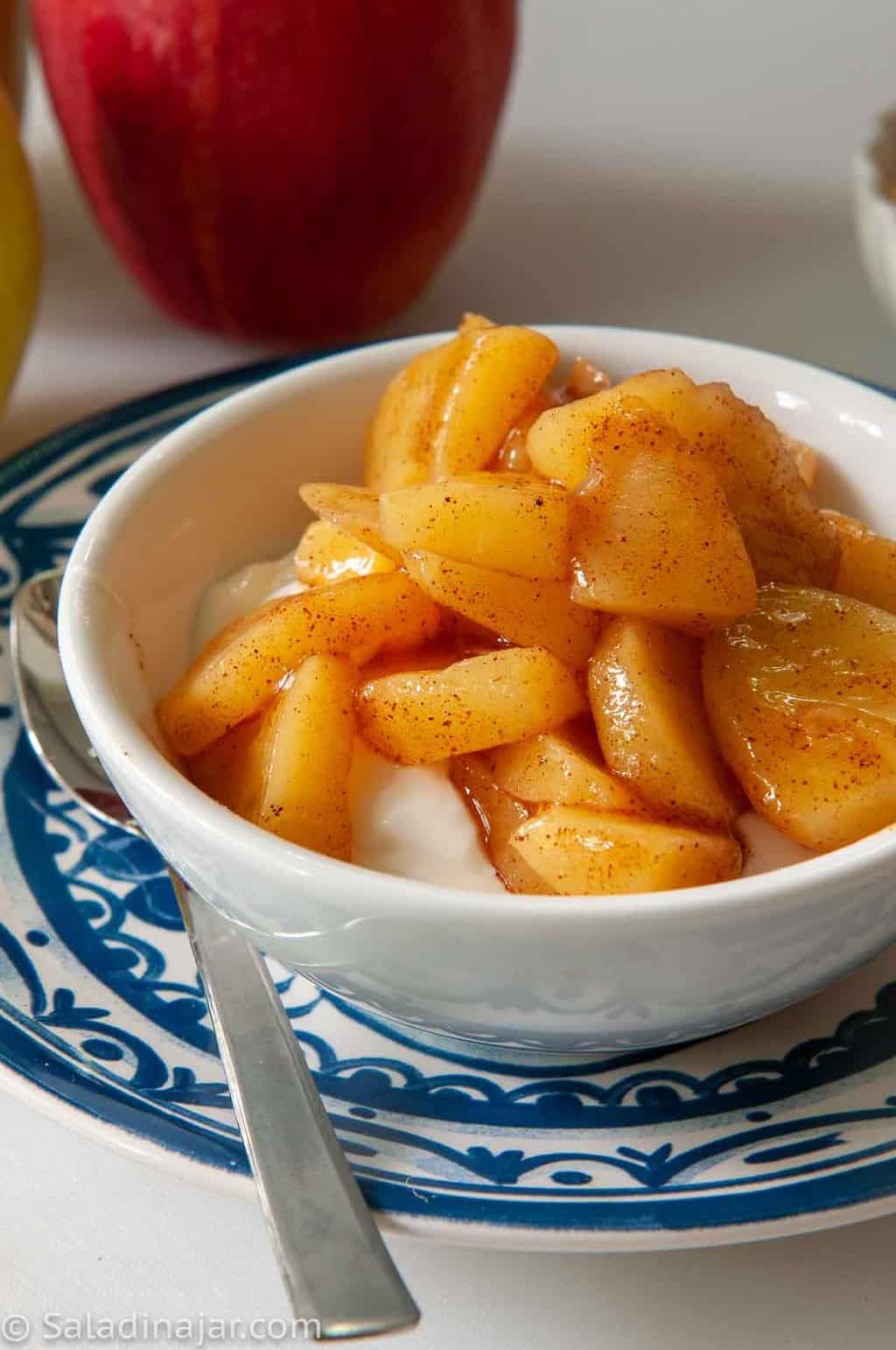
WELCOME BREAD MACHINES YOGURT SALAD IN A JAR RECIPE INDEX Over the last two weeks, I’ve made all three of these fall treats—some to share and some just for my own enjoyment. If you need a quick snack for your next Mahjong party, try the candied pecans. Turn a can of pumpkin purée and a few spices into pumpkin butter for toast, homemade rolls, or your favorite crackers. Spoon the microwave cinnamon apples over oatmeal, yogurt, or ice cream—or enjoy them just as they are. Don't miss the...
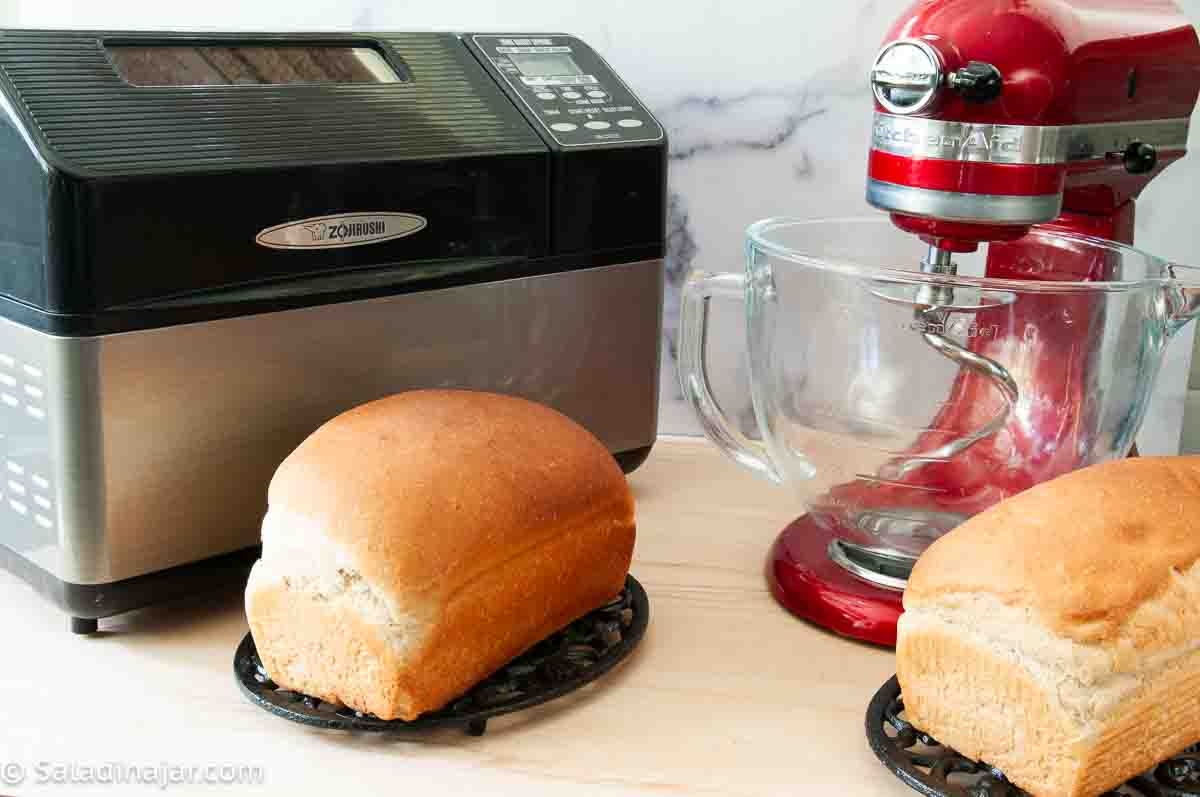
WELCOME BREAD MACHINES YOGURT SALAD IN A JAR RECIPE INDEX If you already own a bread machine, you may have wondered whether your stand mixer could do the same job. I use both, but for a single batch of bread dough, there’s one part of the process that keeps me reaching for the bread machine. See how the two compare—and why I usually stop my bread machine before it bakes anything. Comparing a bread machine and a stand mixer for making yeast bread Here is a special pumpkin bread recipe for you...
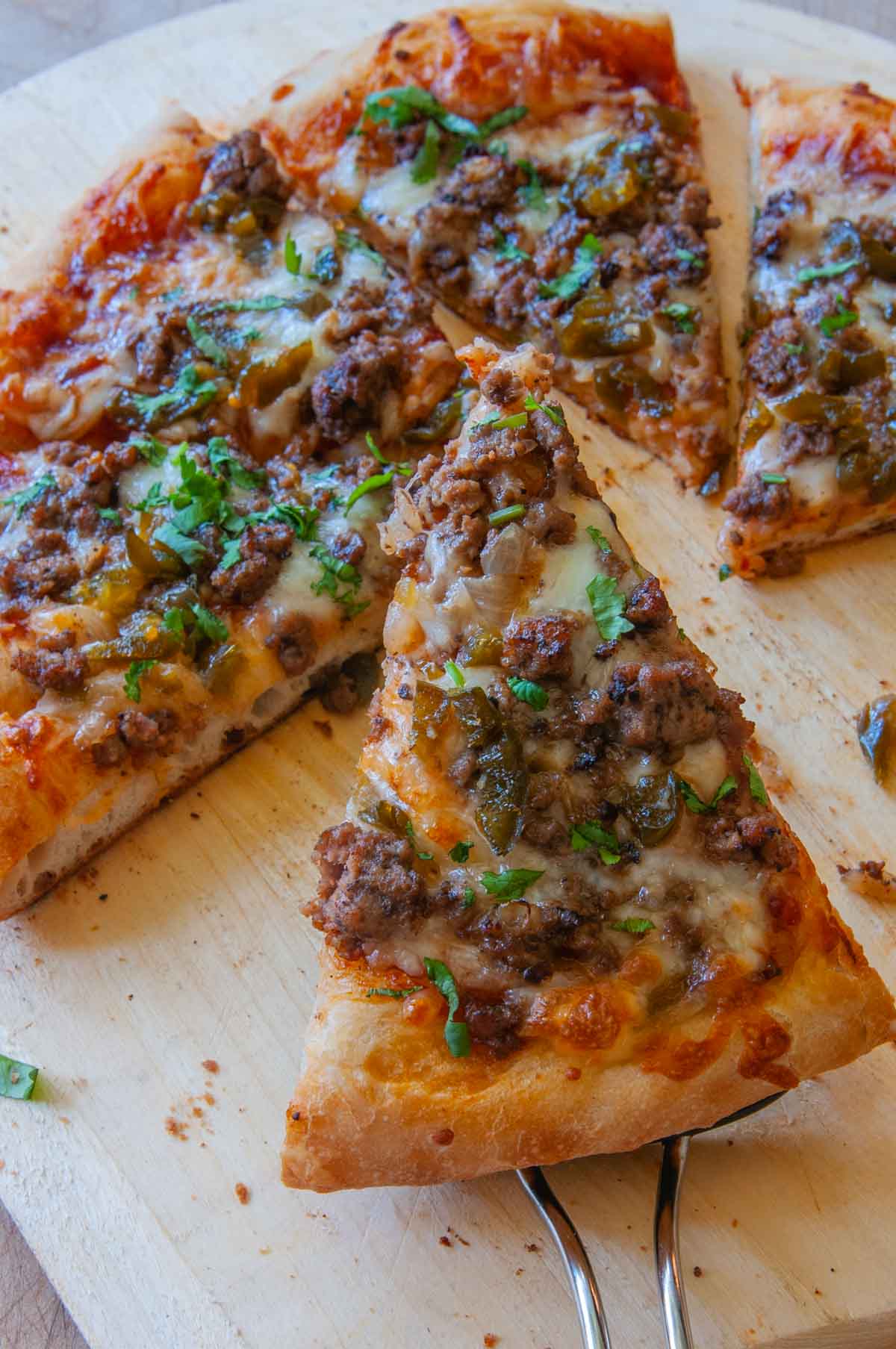
WELCOME BREAD MACHINES YOGURT SALAD IN A JAR RECIPE INDEX My creativity in the kitchen has gone into hiding during the high temperatures of the past few weeks. I’m hoping it comes back soon. Does that ever happen to you when it’s time to cook dinner? True confession: I’ve also been distracted by Mahjong this summer. My husband, children, grandchildren, and I have all learned to play, and we’re having a wonderful time with it. I’ve made new friends and gotten to know my neighbors better. I may...