A 1-Minute Trick to Improve Your Bread’s Texture


Are you as picky about the texture of your bread as I am?

Don’t get me wrong—I love big airy holes in a classic sourdough or ciabatta. But when I’m making sandwich bread or soft dinner rolls, I want a smooth, even crumb. No holes—or worse, tunnels. Nobody wants mayonnaise dripping out of a sandwich or jelly leaking through their toast.

Recently, I discovered a slick hack that’s made a big difference in the texture of my sandwich loaves and rolls.

Here’s the trick:
When the DOUGH cycle finishes in your bread machine, don’t pull the dough out right away. Restart the DOUGH cycle and let it knead for just 1 minute—then stop the machine and take the dough out to shape by hand on your counter.

Why do this?
• More effective than deflating the dough by hand
• Takes less time
• Reduces manual labor (especially helpful if you have arthritis)
• Requires less flour during shaping
• Helps eliminate those annoying holes and tunnels that surprise you when slicing

Three Caveats:
• A minute or two of kneading (depending on the size of the recipe) is usually all that's needed.
• If your machine has a built-in preheat phase (that you can’t skip), this trick won’t work.
• After doing this, if the dough seems tight or resistant to shaping, cover and let it relax for 10–15 minutes before trying again.

Letting the machine do the work has improved the texture of all my fine-crumb recipes.

Have you ever tried this trick?
Do holes in your sandwich bread bother you too—or is that just me?
Am I the last person to figure this out?

I'd love to hear what works for you.

On a different note, this recipe for Yellow Squash Patties has been trending this month.

These were fantastic, we only changed it slightly because we doubled the recipe, also switched out onion for an extra bell pepper but this is perfect if you have a ton of squashes from your garden.

Sarah

Have a good weekend,

Paula

Home Economist + Bread Machine Fan

P.S. Thanks to the Woks of Life website for sparking this idea. Although they don’t use bread machines, the concept translates beautifully to the DOUGH-cycle-plus-oven approach I swear by.

You are receiving this email because you signed up for emails on the Salad in a Jar website.
Unsubscribe | Update Your Interests | 4621 S. Cooper Ste 119, Arlington, TX 76017

Salad in a Jar

Check out my previous newsletters below. If you haven't already, sign up for my newsletter!
Read more from Salad in a Jar
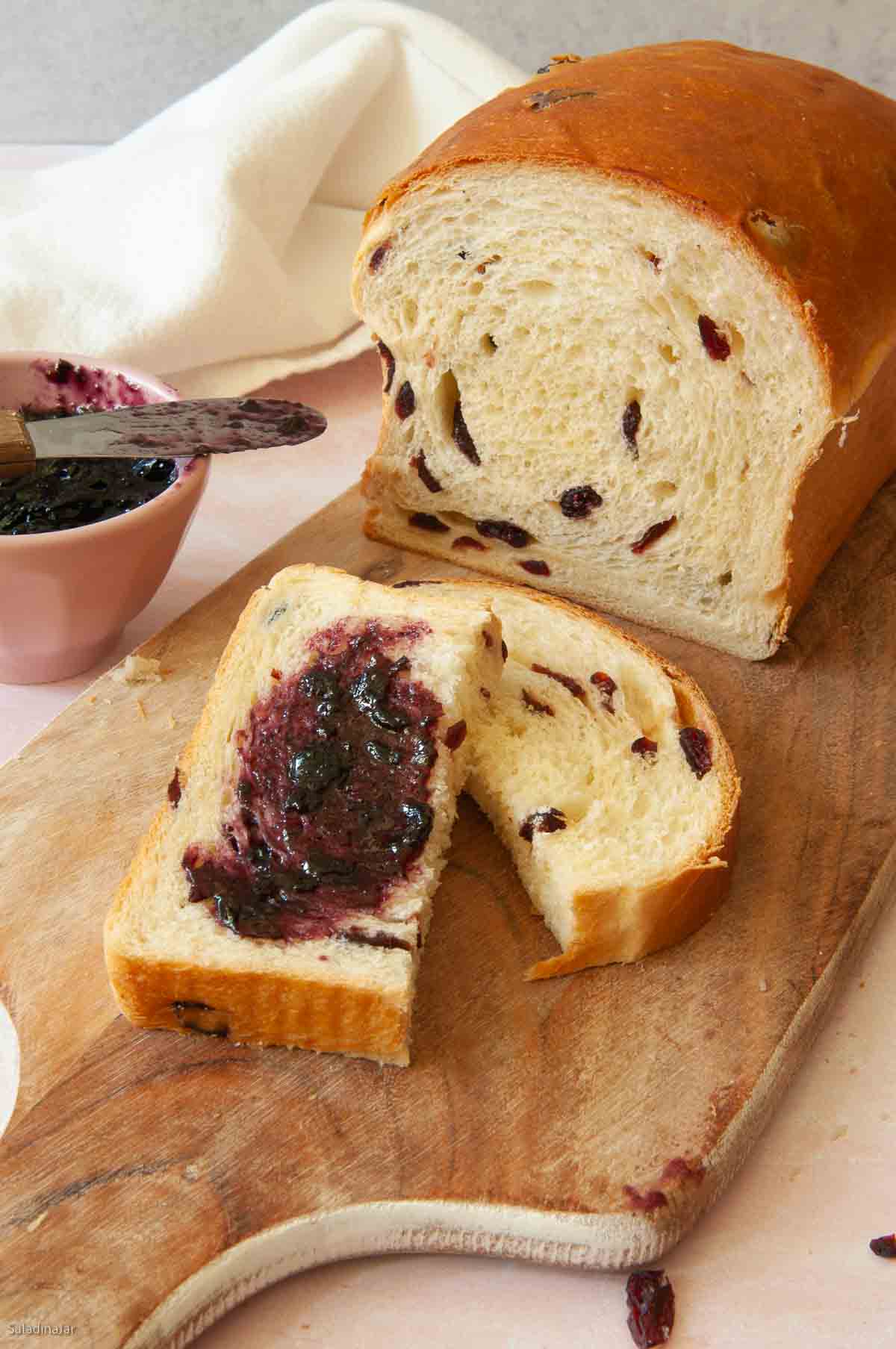
Sliced dried fruit bread on a cutting board-- one piece slathered with blackberry jelly.

Hi Friends, If you’re shopping for a bread machine—or wondering why your pan looks worn—here’s a quick behind-the-scenes look at something most manufacturers never talk about: the nonstick coating. ⭐ Almost All Bread Machine Pans Are Coated Whether it’s called PTFE, Teflon, or “nonstick,” nearly every bread machine pan uses a slick coating so the paddles can knead without the dough grabbing onto the sides. Uncoated pans simply don’t release well enough for bread dough. ⭐ Is It Safe? Bread...

Slow cooker queso dip poured over Frito chips with salsa on the side

Do you have a Super Bowl tradition? We usually gather with a small circle of longtime friends, our married kids, and a few of their in-laws who live nearby. Nothing fancy—just football, lots of conversation, and a table full of food everyone looks forward to. This year, I’m bringing the queso dip and the candied pecans you see below, but any of these recipes would fit right in at a Super Bowl spread. If you’re still deciding what to make, I hope this gives you a few dependable ideas. All of...

buttermilk loaf with a flyaway top

Hi Friends, As promised, this is the follow-up to the email I sent a couple of weeks ago. Previously, we talked about why a loaf of bread collapses inward on the sides after it’s baked and removed from the pan. You can read it here. Today, I’m exploring why the top of a home-baked loaf of bread lifts off—sometimes evenly, but more often just on one side, and sometimes quite dramatically. 1. The crust set too early.If the outside firms up before the inside finishes expanding, trapped steam and...